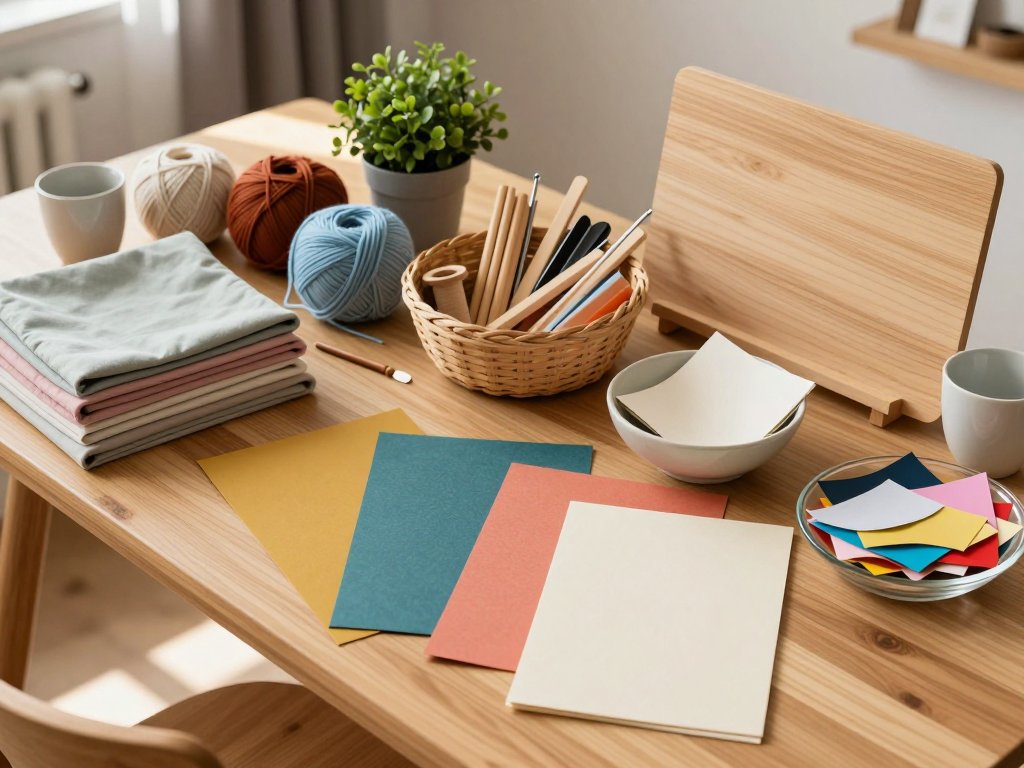
Introduction
Every crafter knows the feeling. You open a closet, a bin, or that one overstuffed drawer, and it is all still there — yarn bought for a project you never started, fabric from a phase that passed, paper pads in colors that no longer excite you.
The supplies are not junk. They are just not yours anymore. A craft swap party is the easy way to let them go, without the guilt of tossing out things you paid good money for.
This is a practical guide, not a demanding one. You can host a lovely swap with things you already have, in a room you already own, for almost no money at all.
Here is how to host a supply exchange that feels calm, generous, and genuinely fun. No selling, no haggling, no awkward math. Just a room full of makers trading what they have for what they will actually use.
If you have ever looked at your stash and felt a small pang of shame, this party is for you. You are not being wasteful. You are moving good materials to someone who will love them.
What a Craft Swap Really Is (and Why It Works)
A craft swap is a gathering where each guest brings supplies they no longer need and takes home supplies they will use. Nothing is bought. Nothing is sold.
You are simply moving materials from one pair of hands to another. The yarn that stalled in your basket becomes someone else's weekend dishcloth. Their leftover watercolor paper becomes your next batch of handmade cards.
It works because most crafters accumulate faster than they create. A single beginner kit, a bargain bundle, or a gifted bag of fabric can quietly leave you with more than one person can reasonably use.
The swap clears that out in a single afternoon. You leave with space on the shelf, a lighter conscience, and armfuls of fresh inspiration.
It is also wonderfully cheap to host. There is no vendor to pay, no product to buy, and no shipping to worry about. The materials already exist, waiting in someone's closet.
There is another benefit that surprises first-time hosts. Swaps introduce you to local makers — the mom down the street who crochets, the retiree who quilts, the neighbor with a basement full of rubber stamps.
Those connections often outlast the supplies themselves. You may show up for yarn and leave with a friend who will teach you how to finish a blanket edge.
Some swaps focus on one craft, like a yarn-only exchange, and others mix everything. Both work beautifully, and neither one is harder to run than the other.
And there is a quiet kind of relief in destashing without waste. You are not throwing anything valuable away. You are simply giving it a second life.
Choosing Your Date, Time, and Place
Start with a date that respects your energy. A weekend morning works well, because guests can arrive fresh and stay for a comfortable couple of hours.
Avoid the weeks right before major holidays, when everyone is already stretched thin. A quiet Saturday in late winter or early fall is close to ideal.
Think about the venue next. A living room works beautifully for six to eight people. Push the sofa back, clear the coffee table, and you have a cozy, free space.
A church hall or community center gives you folding tables and room to spread out. Those spaces suit ten to twenty guests and usually charge a small fee.
A library meeting room is another gentle option. Many libraries offer free or low-cost rooms to local groups, and the built-in tables save you a setup scramble.
How many people is comfortable? Six to ten is the sweet spot for a first swap. Everyone can see almost everything, and no one feels lost in a crowd.
Once you pass about fifteen guests, you will want clear category signs and a little more structure. Larger swaps are wonderful, but they ask more of the host.
Whatever you choose, make sure there is parking, a bathroom nearby, and enough surface space. Those three small things do more for guest comfort than any decoration.
Two hours is a comfortable length for a first event. That leaves time to set up, browse, swap, and tidy up without anyone feeling rushed or cornered.
Invitations: What to Tell Guests to Bring
Keep your invitation short and warm. A text, an email, or a simple paper card all work. The key is telling guests exactly what to expect.
Ask each person to bring craft supplies they no longer need. Give a gentle minimum and maximum so the piles stay balanced.
For example, write, "Bring at least a small bag and no more than two boxes." That keeps a single generous guest from overwhelming the table.
Use framing that removes guilt. Say, "Bring what you can part with." Those words quietly tell people that a small offering is completely welcome.
Suggest categories so the table stays varied. Yarn, fabric, paper, paints, tools, and notions cover almost every crafter's stash.
Ask guests to bring reusable bags or baskets to carry their finds home. A quiet heads-up prevents a flurry of borrowing at the end.
Mention whether children are welcome, and whether there will be a kids' table. Clear expectations make the whole event easier for busy moms.
A week or two of notice is usually plenty. Send a friendly reminder the day before, and mention what guests should carry their supplies in.
Finally, tell guests how the swapping will work. A single sentence about tokens or a free-for-all saves a lot of confused questions on the day.
The Token System: Fair Value for Every Pile
The token system is the easiest way to keep things fair. Each guest earns tokens for the supplies they bring, then spends those tokens on supplies they want.
One simple rule is one token per item. A ball of yarn is one token. A paint set is one token. A bag of fabric scraps is one token.
That flat rate is beginner-friendly and easy to explain. Nobody has to argue about whether a nicer item is "worth more." It all just comes out even.
If your group prefers more nuance, use colored tokens. Green for small items, blue for medium, red for larger or higher-value supplies like tools.
Guests pick up their tokens at the door, based on what they brought. Then they shop the table and pay in tokens.
Because everyone starts with roughly what they contributed, the exchange stays balanced. No one feels shortchanged, and no one walks away empty-handed.
Not everyone loves counting tokens, though. If your group is relaxed and trusting, try a free-for-all at the end instead.
With a free-for-all, everyone browses openly during a set window. Anything still on the table in the final half hour is fair game for anyone.
That second option is less structured but often more joyful. It works best with a small, friendly group who already know each other well.
Whichever method you pick, decide before guests arrive. A host who seems unsure about the rules makes everyone else feel unsure too.
Sorting and Display: Setting Up the Tables
Good display is half the party. A tidy table invites browsing, while a jumbled pile makes people walk right past it.
Set up folding tables in a loose U-shape if the room allows. A U-shape lets guests flow around the supplies and keeps the center open for chatting.
Label each zone with painters-tape signage. Write the category names clearly on strips of tape and press them onto the table edge.
Keep like with like. Yarn with yarn, fabric with fabric, paper with paper. Group paints together, then tools, then small notions.
Sorting by category means a knitter can find the good stuff in seconds. It also keeps the tables looking calm instead of chaotic.
Use shallow boxes, baskets, or trays to corral small items. Loose buttons and beads escape everything, so give them a container of their own.
Stand tall items upright where possible. Upright yarn and standing paper pads read as a shop display, which quietly invites people to touch and take.
Leave a little breathing room between categories. Empty space on a table is not wasted space — it is what makes browsing feel easy.
If you have the space, set aside one small corner for tiny odds and ends. It keeps the main tables tidy and gives shy guests an easy place to start.
Quality Control and Swapping Etiquette
You want good supplies without hurting anyone's feelings. The gentlest tool is a simple guideline shared ahead of time.
Tell guests, "If you would not gift it, do not bring it." That single sentence does more than any long rule list.
It sets a standard without pointing at any one person. Most people quietly self-check, and the table stays full of usable treasure.
Keep a discreet donate pile near the door. Label it plainly, and mention that anything left behind will go to a good home.
If an item is damaged or half-used, the donate pile handles it gracefully. No one has to be told their contribution missed the mark.
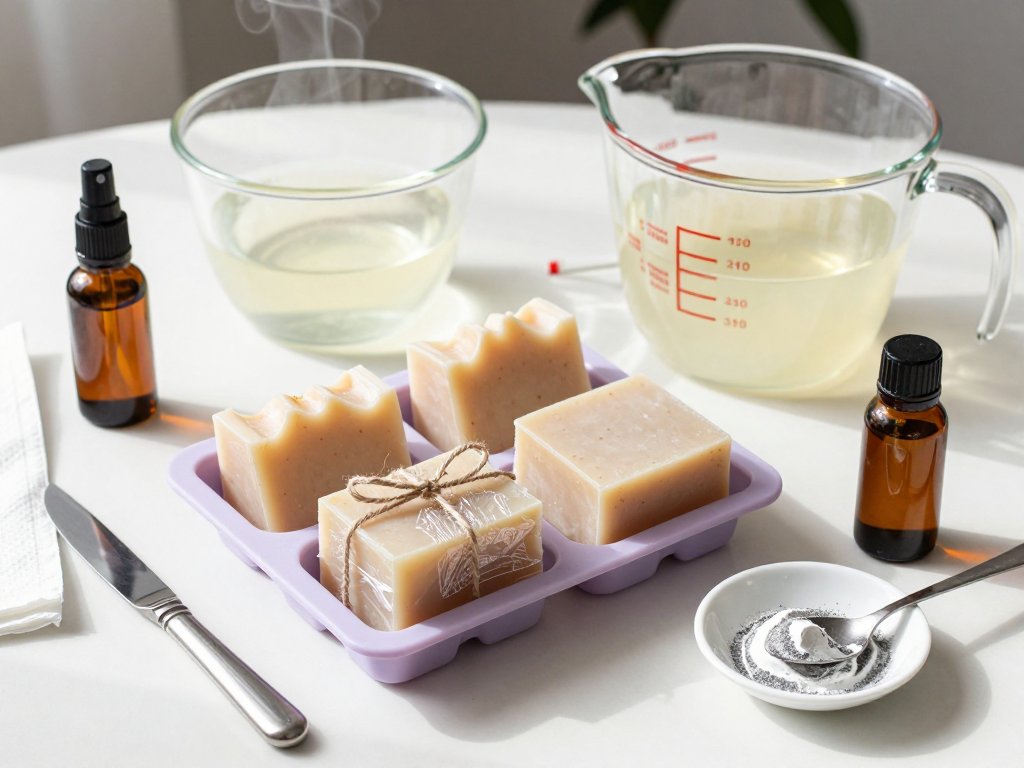
You can also offer a swap example to inspire people. Someone might bring a melt-and-pour soap kit they never opened, which pairs neatly with a project like Melt-and-Pour Soap for Beginners.
Now for the tricky moments. What if a guest brings very little? Treat them exactly the same as everyone else.
Give them tokens, welcome them warmly, and never comment on the size of their bag. Generosity of spirit matters more than volume.
What about grabby behavior? If someone is sweeping armfuls before others have looked, step in gently.
A calm reminder that everyone gets a first pass usually resets things. Say it to the room, not to the person, and the moment passes without embarrassment.
If a rule does get broken twice, a private, kind word works better than a public correction. Most people simply did not realize.
And the item nobody wants? Let it sit until the end, then move it to the donate pile. No announcement needed.
Someone always takes the odd things late in the day. If not, it simply becomes a gift to a program that will use it well.
A Kid-Friendly Family Swap
A family swap is a lovely way to teach children about sharing and letting go. The rules are simpler, and that is exactly the point.
Set up a separate kids' table at the children's height. Fill it with kid-friendly supplies: crayons, stickers, beads, foam shapes, and chunky yarn.
Give each child a small number of tokens, or skip tokens entirely. Young children do better with a simple "take one, leave one" rhythm.
Let kids browse in short bursts. Ten or fifteen minutes of choosing is plenty before they get restless.
Keep an adult near the kids' table to guide gently. A calm grown-up nearby keeps grabbing and grabbing from turning into tears.
Ask families to bring supplies their children have outgrown. Half-used sticker sheets and crayon sets are perfect here.
End the kids' portion with a small shared craft or snack. It gives the swap a happy finish and settles everyone before grown-up browsing resumes.
Keep a damp cloth and a small bin nearby. Children and snacks travel together, and a quick wipe keeps borrowed tables in good shape.
Keeping the Budget Small and the Aftermath Kind
A craft swap can cost almost nothing. The whole point is trading what you already own, so keep the extras simple.
Refreshments can be modest. A pot of tea, lemonade, and a plate of cookies or a simple fruit platter are plenty.
Ask a guest to bring something if you like. A shared table of snacks is easy on the host and adds to the communal feel.
Name tags are optional but helpful. A pack of plain labels and a marker cost a couple of dollars and help new faces connect.
Table coverings protect borrowed surfaces. Inexpensive kraft paper or old sheets work well and can be reused for future swaps.
You also do not need printed signage or bought name tags. Handwritten tape and a marker are more than enough for a friendly room.
Skip the fancy decorations. Warm light, a tidy table, and friendly faces do all the work that streamers and balloons cannot.
After the swap, gather every leftover supply. Donate them to a school, a shelter, a senior center, or a local art therapy program.
Call ahead to confirm what each place can accept. A quick phone call saves an awkward drop-off at the door.
Send a short thank-you message to your guests the next day. Mention where the leftovers went, and people feel good about taking part.
Keep a simple list of who came and what they brought. Next season, a quick glance reminds you who might enjoy an invite again.
Then consider making it a once-a-season tradition. Four swaps a year keeps everyone's stash fresh without ever feeling like a chore.
Conclusion
Hosting a craft swap is far easier than it sounds. You need a date, a few friendly invitations, a couple of tables, and a willingness to let good supplies move on.
You do not need a perfect space or a big budget. You do not need to count every token down to the last scrap. You just need to open your door.
You already have everything it takes: a little space, a little time, and a genuine wish to share. That is the whole recipe, and it is enough.
Your stash is not a burden to hide. It is a gift waiting for the right hands, and someone in your town is hoping for exactly what you are ready to release.
So pick a Saturday. Send the texts. Set out the baskets and the tape and a pot of tea.
Whatever you host will not be flawless, and it does not need to be. A warm room, a table of supplies, and a few makers who are glad to be there — that is a wonderful afternoon.
Start small, keep it kind, and let the first swap be your easy, beginner-sized taste of a lovely new habit. Your shelves will thank you, and so will the friend you have not met yet.