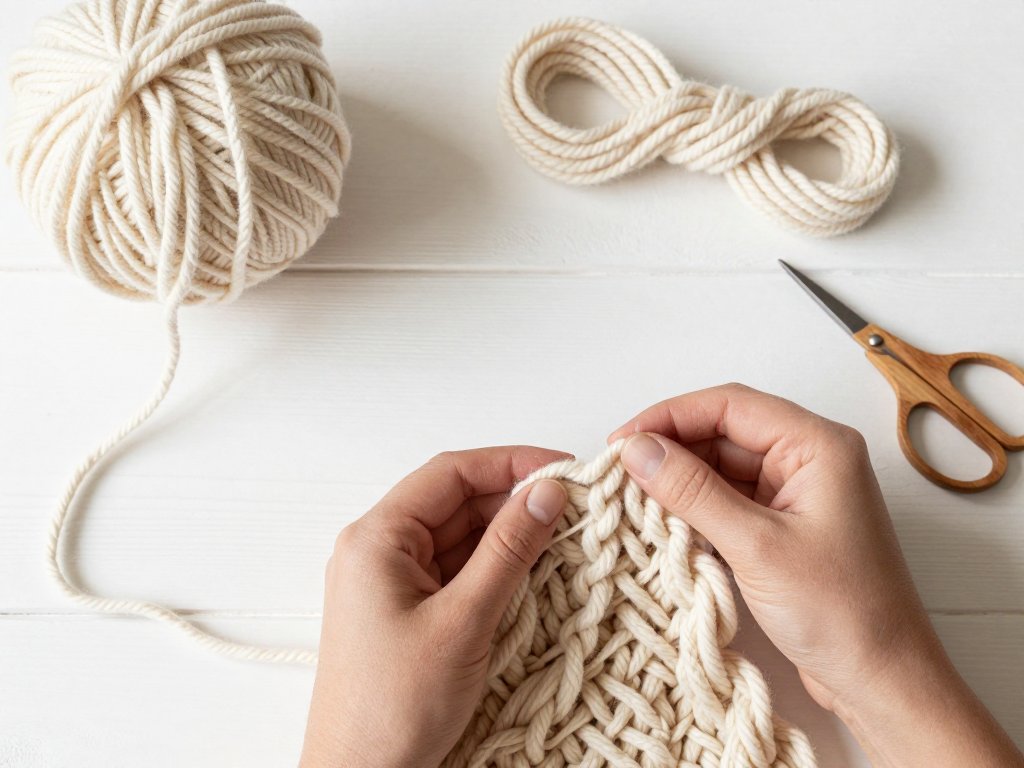
I learned the hard way that not all yarn is created equal when the temperature climbs. My first summer as a knitter, I spent weeks on a beautiful aran-weight sweater, only to wear it once before realizing I had essentially made a wearable blanket. It was cozy for about ten minutes. Then I was miserable.
Summer yarn is a different category entirely from the woolly skeins you reach for in January. The right yarn can mean the difference between a project that sits in a bag until September and one that becomes your go-to piece for farmers' market mornings, beach trips, and breezy evenings on the porch.
Over the past several years of making warm-weather projects, I have worked my way through more cotton skeins than I can count, experimented with linen when I was feeling brave, and discovered a few blends that surprised me completely. Here is everything I wish someone had told me when I was standing in the yarn aisle wondering why everything felt so heavy.
What Makes a Good Summer Yarn?
Before we get to specific brands, it helps to understand what you are looking for. A yarn that works in summer has three main qualities:
Breathability. Natural fibers allow air to circulate. Acrylic and polyester trap heat against your skin, which is wonderful in January and miserable in July. The most breathable fibers for warm weather are cotton, linen, bamboo, hemp, and silk. Blends of these with a small percentage of synthetic fiber for durability are fine — just keep the synthetic content under 50 percent if you want the garment to breathe.
Weight. Yarn weight is measured on a scale from 0 (lace) to 7 (jumbo). For summer, stick to weights 0 through 3 — lace, fingering, sport, and DK. Light worsted (sometimes called DK or light worsted) is the heaviest I would go for a garment. Anything bulkier than that and you are making a winter piece, no matter what fiber you use.
Drape. Summer garments should move with you, not stand away from your body like a cardboard box. Fibers that drape well — bamboo, silk, mercerized cotton — create pieces that flow and feel light. Stiffer fibers like unmercerized cotton and linen have their place too, especially in structured items like market bags and home decor.
Cotton: The Summer Staple
Cotton is the first fiber most of us think of for warm-weather projects, and for good reason. It is absorbent, breathable, machine washable, and widely available. But not all cotton yarns are the same, and the differences matter more than you might expect.
Mercerized vs. Unmercerized Cotton
Mercerized cotton has been treated with sodium hydroxide under tension, which makes the fibers swell, increases their dye affinity, and gives the yarn a subtle sheen. It feels smoother and cooler against the skin, and it has a lovely drape that unmercerized cotton lacks. The trade-off is cost — mercerized cotton typically runs a dollar or two more per skein.
Unmercerized cotton has a matte finish and a slightly rougher texture. I actually prefer it for certain projects — dishcloths, market bags, and anything that needs structure. It softens significantly after washing, so do not judge it by how it feels on the skein.
For garments, I reach for mercerized cotton almost every time. For accessories and home goods, unmercerized is perfectly fine.
My Favorite Cotton Yarns
Lion Brand 24/7 Cotton — This is my go-to recommendation for beginners. It is a DK-weight mercerized cotton that comes in over forty colors, costs about four dollars per skein, and holds up beautifully to machine washing. I have made three summer tops from this yarn and every one of them has been through the wash dozens of times with no pilling or fading. The stitch definition is excellent, which makes it a great choice if you are trying a new stitch pattern.
KnitPicks CotLin — A blend of 70 percent cotton and 30 percent linen, CotLin combines the breathability of both fibers in a DK weight that is somehow lighter than pure cotton. It has a slight slubby texture that gives finished pieces a rustic, linen look without the stiffness of pure linen. This is the yarn I used for the market bag that my sister-in-law still uses three years later. It softens beautifully with washing. Around six dollars per skein.
Berroco Modern Cotton — If you want a cotton that feels like something special, this is it. It is a DK-weight blend of 60 percent cotton and 40 percent modal from beechwood fibers. The modal gives it an almost silky drape that pure cotton cannot match. It comes in the most gorgeous heathered tones — think dusty rose, sage, and warm sand. At about eight dollars per skein, it is pricier, but the finished fabric feels like a designer piece. I used it for a lace summer shawl that gets more compliments than anything else I have ever made.
Hobbii Rainbow Cotton — This is a fingering-weight mercerized cotton available in an enormous range of colors, including beautiful gradients and speckled colorways. It is an eight-strand cotton that produces crisp, well-defined stitches. At about three to four dollars per skein, it is one of the most affordable options for lightweight summer projects. I have made baby blankets, lightweight cardigans, and a small doily collection from this yarn. The color selection makes it dangerously easy to buy more than you planned.
Cascade Ultra Pima — A sport-weight mercerized cotton that is slightly finer than DK, making it ideal for garments that need to feel truly lightweight. It has a beautiful luster and comes in over one hundred colors. At around eleven dollars per skein, it is an investment, but the finished fabric is worth every penny. I used it for a summer tee that feels like I am wearing nothing at all — in the best possible way.
Linen: The Underrated Summer Fiber
Linen has a reputation for being difficult to work with, and I will not pretend it is as forgiving as cotton. It has almost no elasticity, which means your tension needs to be consistent, and it can feel stiff on the needles at first. But linen also has qualities that no other fiber can match.
It is more breathable than cotton. It wicks moisture away from the skin. It is stronger wet than dry, which means linen pieces last for decades. And it softens dramatically with each wash — a linen garment that feels board-stiff when you finish will be soft and fluid after three or four trips through the washing machine.
If you are nervous about trying pure linen, start with a cotton-linen blend like KnitPicks CotLin or a bamboo-linen blend. You get the breathability and durability of linen with the ease of working with cotton.
For those ready to try pure linen, KnitPicks Lindy Chain is a fingering-weight linen that is easier to work with than most because it is chain-plied rather than twisted. It produces a fabric with beautiful drape and a subtle slub texture. About seven dollars per skein. Louet Euroflax is another excellent option, available in sport and DK weights. It holds its shape well and is a favorite among experienced linen knitters.
Bamboo: Silky and Sustainable
Bamboo yarn is one of the most pleasant fibers I have ever worked with. It has a silky sheen and a fluid drape that makes every stitch look elegant. It is also one of the most breathable natural fibers — it keeps you cooler than cotton in hot weather and warmer than cotton when the temperature drops.
The main drawback is that bamboo yarn can stretch. A bamboo garment that looks perfectly fitted when you finish blocking may grow half a size after a day of wear. I have learned to work with this by going down a needle size and choosing patterns with structure — ribbing, cables, or textured stitches that hold their shape.
KnitPicks Shine Sport is a blend of 60 percent cotton and 40 percent bamboo that combines the best of both fibers. It is machine washable, has a beautiful sheen, and costs about five dollars per skein. I have made baby items and lightweight cardigans with this yarn and been consistently happy with the results.
Cobasi by Hikoo is a blend of 60 percent cotton, 25 percent bamboo, and 15 percent silk. The silk content gives it an extra-luxurious feel, and the bamboo adds drape. At about ten dollars per skein, it is a splurge, but the finished pieces have a subtle shimmer that feels genuinely special. I made a lace shawl from this yarn for my mother's birthday, and she wears it year-round — it is somehow warm enough for air-conditioned restaurants and cool enough for summer evenings.
Cotton-Acrylic Blends: The Practical Choice
Pure acrylic yarns have no place in summer garments — they trap heat and do not breathe — but a well-chosen cotton-acrylic blend can be a practical option. The acrylic content adds elasticity and durability, while the cotton content keeps the fabric breathable.
Look for blends where cotton is the primary fiber. A 60-40 cotton-acrylic split is ideal. Anything with more than 50 percent acrylic starts to lose the breathability that makes summer yarns comfortable.
Lion Brand Comfy Cotton Blend has a name that tells you exactly what it offers. It is a DK-weight blend of 60 percent cotton and 40 percent acrylic that is soft, affordable, and widely available at craft stores. At about four dollars per skein, it is an excellent choice for projects that need to stand up to frequent washing — baby blankets, summer tops for kids, and market bags.
Paintbox Yarns Simply Aran is a 100 percent acrylic yarn that I want to mention only to say this: please do not use it for summer garments. I have made that mistake. It is an excellent yarn for hats and mittens in the winter, but in summer it will leave you hot and uncomfortable. Stick to the natural-fiber options above for warm-weather projects.
Best Yarn Weights for Summer Projects
The weight of your yarn matters as much as the fiber content. Here is how I think about yarn weights for warm-weather makes:
Fingering weight (weight 1) — The lightest option that still works for hand knitting and crochet. Fingering-weight cotton or linen produces fabric that is airy and delicate. Perfect for lightweight shawls, summer socks, and lacy tops. The trade-off is time — fingering-weight projects take longer to finish. Scheepjes Catona is a fingering-weight mercerized cotton that comes in over one hundred colors and is a joy to work with for lace projects. About four dollars per skein.
Sport weight (weight 2) — My personal favorite for summer garments. Sport weight is fine enough to feel light but thick enough that your project does not take forever. A sport-weight cotton or cotton-linen blend creates a fabric with good drape and enough substance to hold its shape. Patons Grace is a classic sport-weight mercerized cotton that has been a summer staple for decades. About six dollars per skein.
DK weight (weight 3) — The heaviest yarn I would use for a summer garment. DK is versatile and fast to work with, making it a good choice for beginners. It works well for summer tops with open stitch patterns that let air through. Lion Brand 24/7 Cotton and Berroco Modern Cotton are both DK weight and excellent choices.
Worsted and above (weights 4-7) — Save these for fall and winter. Even in the most breathable fiber, a worsted-weight garment will be too warm for summer weather. I have tried it. I regretted it.
Summer Projects by Yarn Type
Not every summer yarn is right for every summer project. Here is what I have found works best:
Summer tops and tees: Sport-weight mercerized cotton or a cotton-bamboo blend. Look for something with a bit of sheen and good drape. Cascade Ultra Pima and KnitPicks Shine Sport are my top picks.
Lightweight shawls and wraps: Fingering-weight linen or a cotton-silk blend. The drape of these fibers creates shawls that float rather than sit heavily on the shoulders. Scheepjes Catona and Hikoo Cobasi are both excellent choices.
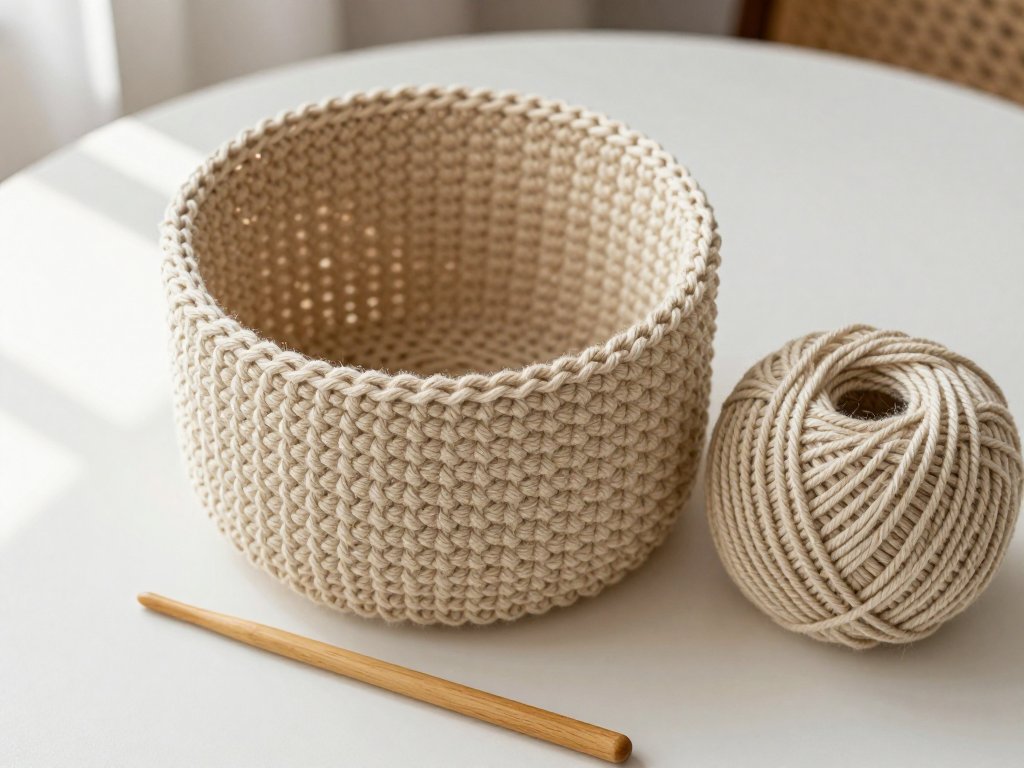
Market bags: Unmercerized cotton or cotton-linen blend in DK or worsted weight. You want something sturdy that holds its shape. KnitPicks CotLin is my go-to for bags. The slight stiffness of the linen content helps the bag keep its structure even when loaded with produce.
Baby blankets for summer babies: Sport-weight cotton or a cotton-bamboo blend. Soft, breathable, machine washable. KnitPicks Shine Sport or Lion Brand 24/7 Cotton work beautifully.
Hair accessories and jewelry: Fingering-weight mercerized cotton. The stitch definition is exceptional, and the finished pieces have a polished look. Hobbii Rainbow Cotton in a solid color is perfect for headbands and earrings.
Swim cover-ups and beach coverlets: Cotton-linen blend in an open stitch pattern. The linen dries quickly, and the openwork keeps it cool. CotLin or Patons Grace both handle beach conditions well.
What I Have Learned From Five Summers of Making Mistakes
I want to share a few lessons that no tutorial ever taught me, because I think they will save you the kind of frustration that makes you want to throw a project across the room.
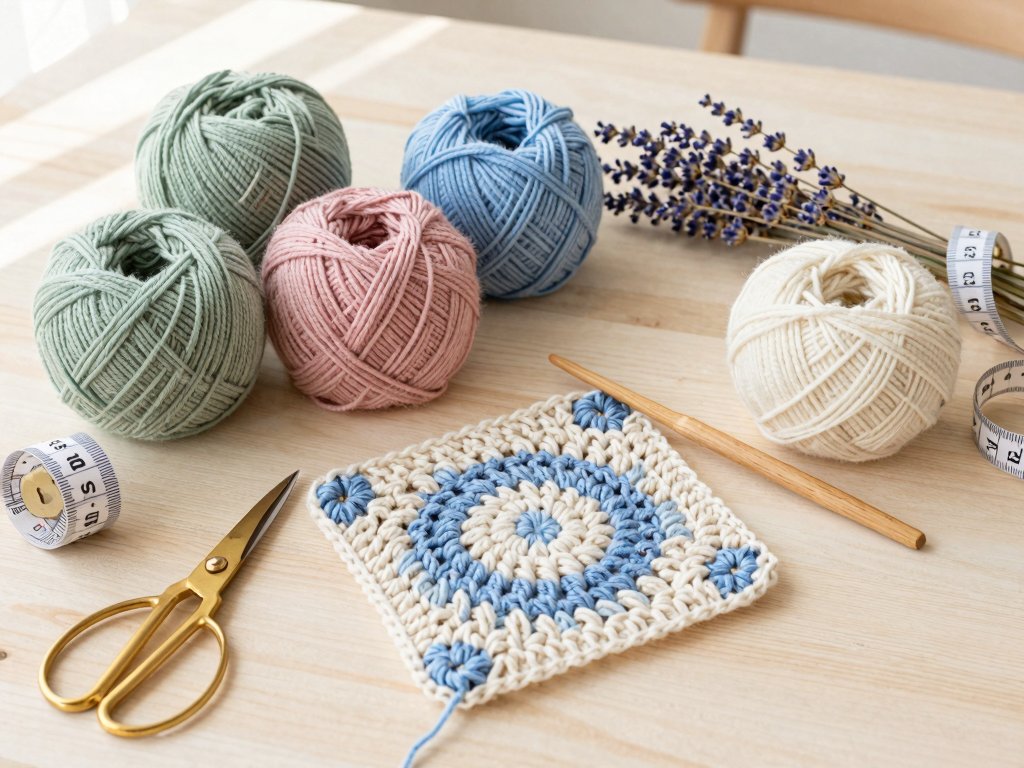
Pre-wash your swatch. This is not optional in summer projects. Cotton and linen can shrink, stretch, or change texture dramatically after their first wash. I learned this the hard way when a cotton summer top I had spent three weeks on came out of the wash two inches shorter than when it went in. Wash your swatch the way you will wash the finished garment. Measure it before and after. Adjust your needle size if needed.
Go down a needle size for bamboo. Bamboo grows. I have made this mistake twice and finally learned to use one or two sizes smaller than the ball band recommends. The finished fabric is denser and holds its shape much better.
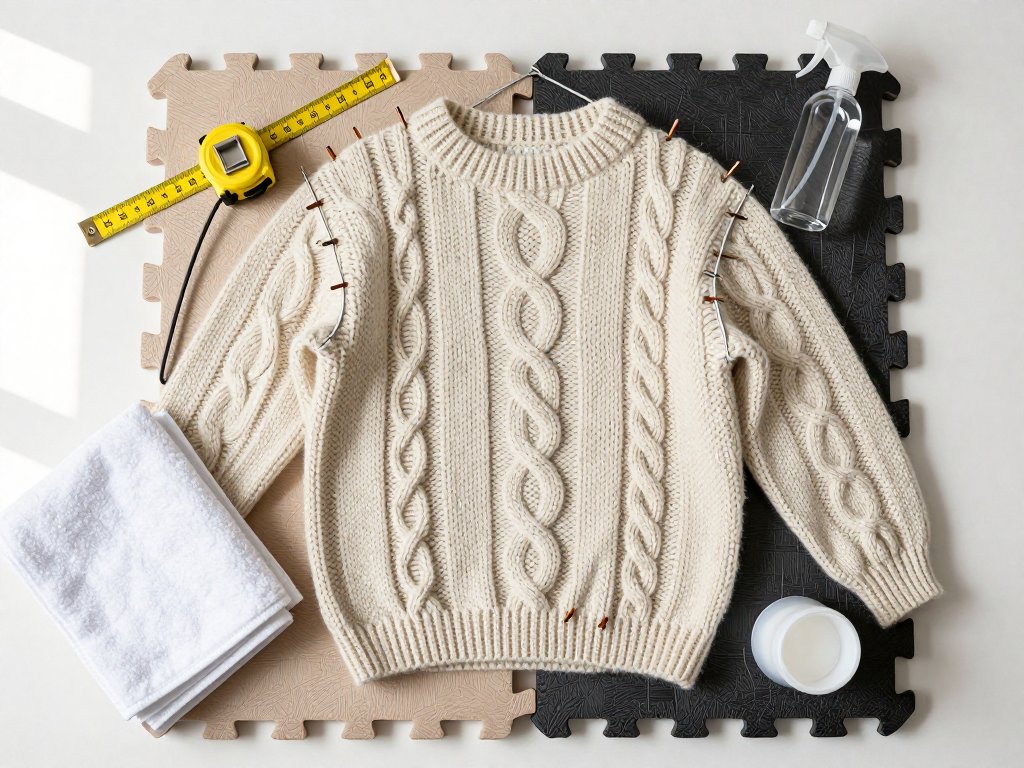
Blocking matters more than you think. Cotton and linen both benefit enormously from blocking. A cotton lace shawl that looks like a wrinkled mess fresh off the needles transforms into something beautiful after a good soak and careful pinning. Do not skip this step.
Cheap acrylic is not your friend in July. I know it is tempting. It is two dollars a skein and comes in every color imaginable. But acrylic does not breathe, and a garment made from cheap acrylic will leave you sweating within minutes, even if the stitch pattern is open. Save the budget acrylic for winter accessories and charity hats.
Invest in a yarn winder if you work with cotton. Cotton yarn comes in hanks more often than acrylic, especially the nicer brands. A yarn winder and swift pay for themselves in patience the first time you untangle a hundred-dollar haul of hand-dyed cottons. I resisted buying one for years. Now I cannot imagine life without it.
Store your summer yarn in a cool, dry place. Cotton and linen are susceptible to mildew in humid conditions. I keep my summer yarn stash in a cotton tote bag with a few silica gel packets, stored away from direct sunlight. It has saved me from throwing away more than one skein that would have been ruined by damp storage.
Quick Reference: Yarn Recommendations at a Glance
If you are the kind of person who wants the bottom line without reading the whole article first (I see you, and I am the same way), here is a quick summary:
- Best for beginners: Lion Brand 24/7 Cotton — DK weight, machine washable, affordable, widely available
- Best for garments: Cascade Ultra Pima — sport weight, beautiful drape, excellent stitch definition
- Best for accessories: Hobbii Rainbow Cotton — fingering weight, enormous color range, great value
- Best for felt-like luxury: Berroco Modern Cotton — DK weight, silky modal blend, heathered colors
- Best for market bags: KnitPicks CotLin — cotton-linen blend, sturdy, softens with washing
- Best for baby items: KnitPicks Shine Sport — cotton-bamboo blend, machine washable, silky soft
- Best for experienced knitters wanting a challenge: Louet Euroflax — sport/DK linen, holds shape beautifully
- Best for lace projects: Scheepjes Catona — fingering weight mercerized cotton, over 100 colors
- Best budget option: Paintbox Yarns Cotton DK — 100 percent cotton, three dollars per skein, solid quality
- Best splurge: Hikoo Cobasi — cotton-bamboo-silk blend, exquisite drape and sheen
Finding Your Summer Yarn
The best summer yarn for you depends on what you want to make, how much you want to spend, and how much experience you have. But here is the short version: if you buy nothing else, get a skein of Lion Brand 24/7 Cotton in a color that makes you happy, a set of needles or hooks in the recommended size, and a pattern for a simple summer top or market bag. You will have everything you need to make something you will actually use.
That first summer top I made from acrylic yarn? It lives at the back of my closet now, a reminder that the right materials matter. The ones I made from cotton, linen, and bamboo get worn every single summer. The right yarn does not just make the project better — it makes the process better too. No sweaty hands, no scratchy neckline, no regret.
What is your favorite summer yarn? I am always looking for new ones to try, and I would love to hear what has worked for you. Drop your recommendations in the comments — especially the ones that surprised you.