Introduction
Have you ever scrolled through paint swatches and glossed over that one subtle shade—maybe a greige, a dusty teal, or a muted mauve—only to later see it in a beautifully designed room and think, "I should have chosen that"? You're not alone. The most transformative paint colors are often the ones we overlook because they seem too quiet, too neutral, or too unfamiliar.
In this guide, we'll explore 30 bedroom paint ideas for 2026 that center around exactly those overlooked shades. These colors are not the loudest on the swatch card, but they have a unique ability to create calm, cohesive, and deeply personal spaces. Whether you're a first-time painter or a seasoned DIYer, these ideas will help you step beyond the safe whites and beiges and into a world of subtle, sophisticated color.
Why We Overlook the Best Shades
It's human nature to gravitate toward colors that feel familiar or that pop on the paint chip. But the shades that often get passed by—the greiges, the dusty tones, the muted hues—are the ones that perform the best in real rooms. They adapt to changing light, complement a wide range of furnishings, and create a backdrop that feels intentional rather than generic.
These overlooked shades share a few key characteristics:
- Subtle undertones: They have hints of other colors (gray with a touch of beige, blue with a whisper of green) that add complexity.
- Low chroma: They are soft and muted, not bright or saturated, which makes them easy to live with.
- Light‑reflective quality: They bounce light gently, making rooms feel airy even in smaller spaces.
These shades also have a unique ability to change with the light. In the morning sun, a greige might reveal its warm beige undertones; by evening lamplight, it can shift toward a soft gray. This dynamic quality keeps the room feeling alive and responsive to the time of day. If you've ever felt bored with a flat, static color, these overlooked shades offer a subtle movement that keeps your bedroom interesting.
By embracing these shades, you can create a bedroom that feels both fresh and timeless—a space you won't regret in six months or six years.
How to Choose Your Overlooked Shade
Before we dive into the 30 ideas, let's talk about how to pick the right shade for your bedroom. Consider the following:
- Light direction: North‑facing rooms benefit from warmer undertones (greige, clay pink). South‑facing rooms can handle cooler shades (dusty teal, slate blue).
- Room size: Lighter, softer shades make small rooms feel larger. Darker muted shades can add cozy intimacy to a large bedroom.
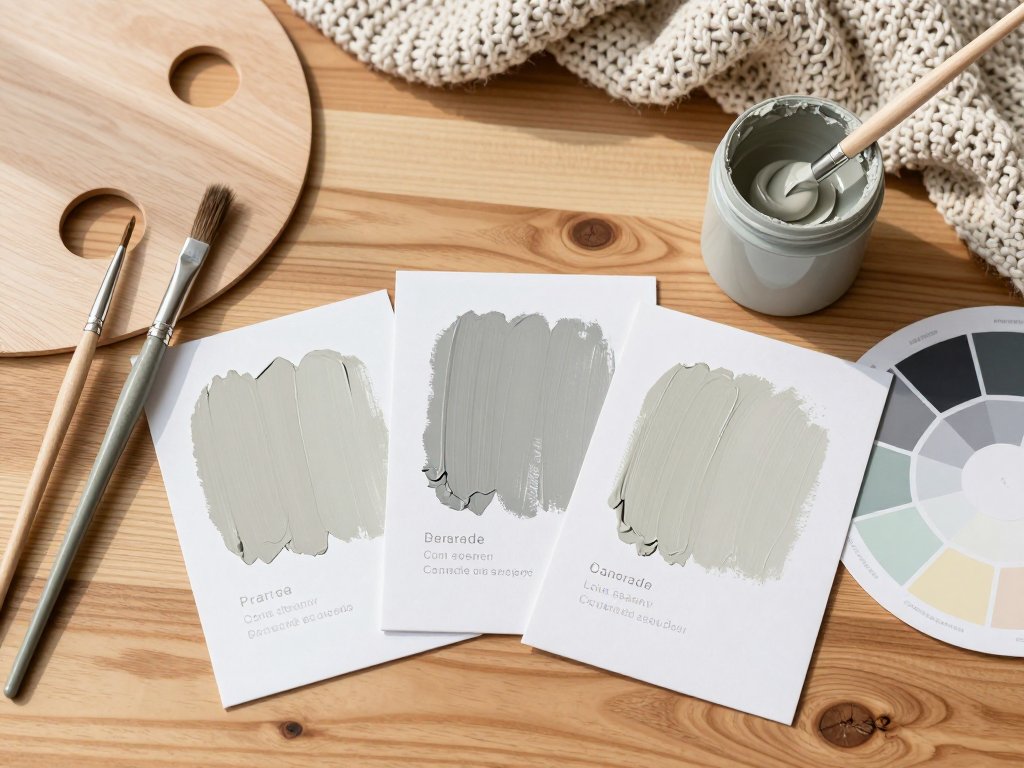
- Existing furniture: Hold swatches next to your bed linens, wood tones, and artwork to see how they harmonize.
- Your goal: Do you want a serene retreat? A vibrant personal space? A neutral backdrop for bold art? Your intention will guide your choice.
Remember, paint is the most forgiving design element. If you try a shade and it's not quite right, you can repaint. The goal is to experiment and discover what makes you feel most at home.
30 Bedroom Paint Ideas for 2026
Here are 30 specific paint ideas using the shades that often go unnoticed. Each includes a description, why it works, and a pro tip for application.
Idea 1: Greige (Gray + Beige)
Greige (Gray + Beige) creates a elegant atmosphere perfect for your restful space. This often-overlooked shade brings depth without overwhelming the senses, making the room feel both spacious and intimate.
Pro tip: Layer with textures like linen and wool.
Idea 2: Dusty Teal
Dusty Teal creates a elegant atmosphere perfect for your personal retreat. This often-overlooked shade brings depth without overwhelming the senses, making the room feel both spacious and intimate.
Pro tip: Pair with crisp white trim for a classic look.
Idea 3: Muted Mauve
Muted Mauve creates a cozy atmosphere perfect for your sleep sanctuary. This often-overlooked shade brings depth without overwhelming the senses, making the room feel both spacious and intimate.
Pro tip: Add metallic accents in gold or brass.
Idea 4: Sage Green
Sage Green creates a serene atmosphere perfect for your sleep sanctuary. This often-overlooked shade brings depth without overwhelming the senses, making the room feel both spacious and intimate.
Pro tip: Use on an accent wall behind the bed.
Idea 5: Slate Blue
Slate Blue creates a soothing atmosphere perfect for your restful space. This often-overlooked shade brings depth without overwhelming the senses, making the room feel both spacious and intimate.
Pro tip: Pair with crisp white trim for a classic look.
Idea 6: Taupe
Taupe creates a elegant atmosphere perfect for your sleep sanctuary. This often-overlooked shade brings depth without overwhelming the senses, making the room feel both spacious and intimate.
Pro tip: Pair with crisp white trim for a classic look.
Idea 7: Sandstone
Sandstone creates a soothing atmosphere perfect for your bedroom. This often-overlooked shade brings depth without overwhelming the senses, making the room feel both spacious and intimate.
Pro tip: Combine with natural wood furniture for warmth.
Idea 8: Clay Pink
Clay Pink creates a elegant atmosphere perfect for your personal retreat. This often-overlooked shade brings depth without overwhelming the senses, making the room feel both spacious and intimate.
Pro tip: Use on an accent wall behind the bed.
Idea 9: Oyster White
Oyster White creates a inviting atmosphere perfect for your restful space. This often-overlooked shade brings depth without overwhelming the senses, making the room feel both spacious and intimate.
Pro tip: Add metallic accents in gold or brass.
Idea 10: Charcoal Gray
Charcoal Gray creates a elegant atmosphere perfect for your restful space. This often-overlooked shade brings depth without overwhelming the senses, making the room feel both spacious and intimate.
Pro tip: Use on an accent wall behind the bed.
Idea 11: Olive Green
Olive Green creates a inviting atmosphere perfect for your restful space. This often-overlooked shade brings depth without overwhelming the senses, making the room feel both spacious and intimate.
Pro tip: Add metallic accents in gold or brass.
Idea 12: Terracotta
Terracotta creates a cozy atmosphere perfect for your personal retreat. This often-overlooked shade brings depth without overwhelming the senses, making the room feel both spacious and intimate.
Pro tip: Layer with textures like linen and wool.
Idea 13: Navy Blue
Navy Blue creates a elegant atmosphere perfect for your sleep sanctuary. This often-overlooked shade brings depth without overwhelming the senses, making the room feel both spacious and intimate.
Pro tip: Use on an accent wall behind the bed.
Idea 14: Mustard Yellow
Mustard Yellow creates a elegant atmosphere perfect for your sleep sanctuary. This often-overlooked shade brings depth without overwhelming the senses, making the room feel both spacious and intimate.
Pro tip: Layer with textures like linen and wool.
Idea 15: Blush Pink
Blush Pink creates a serene atmosphere perfect for your personal retreat. This often-overlooked shade brings depth without overwhelming the senses, making the room feel both spacious and intimate.
Pro tip: Combine with natural wood furniture for warmth.
Idea 16: Forest Green
Forest Green creates a elegant atmosphere perfect for your sleep sanctuary. This often-overlooked shade brings depth without overwhelming the senses, making the room feel both spacious and intimate.
Pro tip: Combine with natural wood furniture for warmth.
Idea 17: Lavender Gray
Lavender Gray creates a modern atmosphere perfect for your personal retreat. This often-overlooked shade brings depth without overwhelming the senses, making the room feel both spacious and intimate.
Pro tip: Add metallic accents in gold or brass.
Idea 18: Camel
Camel creates a modern atmosphere perfect for your sleep sanctuary. This often-overlooked shade brings depth without overwhelming the senses, making the room feel both spacious and intimate.
Pro tip: Layer with textures like linen and wool.
Idea 19: Dusty Rose
Dusty Rose creates a soothing atmosphere perfect for your bedroom. This often-overlooked shade brings depth without overwhelming the senses, making the room feel both spacious and intimate.
Pro tip: Layer with textures like linen and wool.
Idea 20: Peacock Blue
Peacock Blue creates a serene atmosphere perfect for your personal retreat. This often-overlooked shade brings depth without overwhelming the senses, making the room feel both spacious and intimate.
Pro tip: Use on an accent wall behind the bed.
Idea 21: Creamy White
Creamy White creates a timeless atmosphere perfect for your bedroom. This often-overlooked shade brings depth without overwhelming the senses, making the room feel both spacious and intimate.
Pro tip: Use on an accent wall behind the bed.
Idea 22: Burnt Orange
Burnt Orange creates a serene atmosphere perfect for your restful space. This often-overlooked shade brings depth without overwhelming the senses, making the room feel both spacious and intimate.
Pro tip: Layer with textures like linen and wool.
Idea 23: Moss Green
Moss Green creates a serene atmosphere perfect for your personal retreat. This often-overlooked shade brings depth without overwhelming the senses, making the room feel both spacious and intimate.
Pro tip: Pair with crisp white trim for a classic look.
Idea 24: Deep Plum
Deep Plum creates a elegant atmosphere perfect for your sleep sanctuary. This often-overlooked shade brings depth without overwhelming the senses, making the room feel both spacious and intimate.
Pro tip: Combine with natural wood furniture for warmth.
Idea 25: Soft Black
Soft Black creates a inviting atmosphere perfect for your bedroom. This often-overlooked shade brings depth without overwhelming the senses, making the room feel both spacious and intimate.
Pro tip: Pair with crisp white trim for a classic look.
Idea 26: Warm Gray
Warm Gray creates a serene atmosphere perfect for your restful space. This often-overlooked shade brings depth without overwhelming the senses, making the room feel both spacious and intimate.
Pro tip: Add metallic accents in gold or brass.
Idea 27: Sky Blue
Sky Blue creates a cozy atmosphere perfect for your sleep sanctuary. This often-overlooked shade brings depth without overwhelming the senses, making the room feel both spacious and intimate.
Pro tip: Pair with crisp white trim for a classic look.
Idea 28: Coral
Coral creates a elegant atmosphere perfect for your bedroom. This often-overlooked shade brings depth without overwhelming the senses, making the room feel both spacious and intimate.
Pro tip: Pair with crisp white trim for a classic look.
Idea 29: Chocolate Brown
Chocolate Brown creates a serene atmosphere perfect for your restful space. This often-overlooked shade brings depth without overwhelming the senses, making the room feel both spacious and intimate.
Pro tip: Add metallic accents in gold or brass.
Idea 30: Silver
Silver creates a timeless atmosphere perfect for your personal retreat. This often-overlooked shade brings depth without overwhelming the senses, making the room feel both spacious and intimate.
Pro tip: Layer with textures like linen and wool.
How to Paint Your Bedroom Like a Pro
Once you've chosen your shade, follow these steps for a flawless finish:
- Prep the walls: Clean, patch, and sand surfaces. Use painter's tape to protect trim and ceilings.
- Prime if needed: If you're painting over a dark color or new drywall, apply a quality primer.
- Cut in edges: Use an angled brush to paint along ceilings, corners, and trim before rolling.
- Roll with a W pattern: Pour paint into a tray, load the roller evenly, and apply in overlapping W motions to avoid streaks.
- Apply two coats: Allow the first coat to dry completely (usually 2–4 hours) before applying the second.
- Clean up while wet: Remove tape before the paint dries completely to get clean lines.
Take your time, play some music, and enjoy the process. Painting can be a meditative, rewarding project—and the result is a bedroom that truly feels like your own.
Common Painting Mistakes to Avoid
- Skipping the sample: Always paint a large swatch on the wall and observe it at different times of day before committing.
- Using cheap brushes/rollers: Quality tools make a noticeable difference in the finish.
- Painting in poor light: Make sure you have plenty of daylight or bright artificial light to see coverage and missed spots.
- Rushing drying time: Patience between coats ensures a smooth, durable finish.
- Forgetting about sheen: Matte hides imperfections but is less washable; satin or eggshell are good for bedrooms.
Conclusion
Those quiet, overlooked paint shades hold a secret: they are the ones that create the most beautiful, livable bedrooms. By stepping past the familiar and embracing greige, dusty teal, muted mauve, and their subtle cousins, you can design a space that feels both fresh and timeless—a room you'll love waking up in for years to come.
Remember, your bedroom is your personal sanctuary. The paint color you choose should reflect your taste, support your rest, and bring you joy every time you walk in. Don't be afraid to try the shade you've been scrolling past. It might just be the one you've been looking for all along.
Happy painting!