Introduction
Have you ever looked at a perfectly manicured craft project and thought, "This is lovely, but where is the soul?" If that thought has crossed your mind even once, you are going to love what I am about to share with you.
There is a new trend sweeping the creative world, and its name is as untamed as its spirit: Wilderkind. German for "wild child," this aesthetic has taken root in everything from interior design to fashion, and now it is making its way into the craft room in the most wonderful way. Unlike the polished, perfectly coordinated projects we often see on social media, Wilderkind celebrates the raw, the organic, and the beautifully imperfect.
Think gnarled branches instead of smooth dowels. Think bare clay thumbprints instead of flawless glazes. Think pressed wildflowers tucked into handmade paper, not perfectly symmetrical silk blooms. This is crafting that breathes.
And the best part? You do not need fancy tools or years of experience to create something beautiful in the Wilderkind style. In fact, the less polished, the better.
What Exactly Is Wilderkind?
Wilderkind is not a set of rigid rules or a specific technique you have to master. Think of it as a feeling, an approach to creating that prioritizes nature, texture, and authenticity over perfection. If you have ever collected a pocketful of acorns, pinecones, or interesting stones on a walk and wondered what to do with them, you have already tapped into the Wilderkind mindset.
The trend draws inspiration from several sources:
- Forest bathing and biophilic design — the idea that bringing natural elements into our spaces reduces stress and improves well-being
- Wabi-sabi philosophy — the Japanese appreciation of imperfection and transience
- Traditional folk crafts — techniques passed down through generations that use locally foraged materials
- The slow living movement — taking time to create with intention rather than rushing to a finished product
In practice, Wilderkind projects tend to feature earthy color palettes (moss greens, bark browns, clay ochres, slate grays), rough-hewn textures, asymmetrical shapes, and a heavy reliance on natural or foraged materials. The finished piece should feel like it was found in the woods rather than bought at a craft store.
Why Wilderkind Is Perfect for You
If you are a busy mom who loves to craft but feels pressure to create Pinterest-perfect projects every time, I have good news for you. Wilderkind might just be the most freeing craft trend to come along in years. Here is why:
It forgives every imperfection. A crooked seam? That is character. An uneven glaze? That is texture. A lopsided vase? That is charm. In the Wilderkind world, your "mistakes" are the very thing that makes your piece beautiful.
It costs almost nothing to start. Your materials are literally growing outside your door. Twigs, leaves, stones, seed pods, feathers, and bark are all fair game. A nature walk with the kids becomes a materials-gathering expedition.
It is deeply calming. Working with natural materials has a grounding effect that store-bought supplies just cannot replicate. The textures, the smells, the irregularities — they engage your senses in a way that feels almost meditative.
It connects you to tradition. Every culture has a history of making beauty from what nature provides. When you craft in the Wilderkind style, you are tapping into something ancient and universal.
Getting Started: What You Will Need
Before we dive into specific projects, let me walk you through the basic supplies and materials that will set you up for Wilderkind success. The beauty of this approach is that your shopping list is refreshingly short.
Natural Materials to Forage
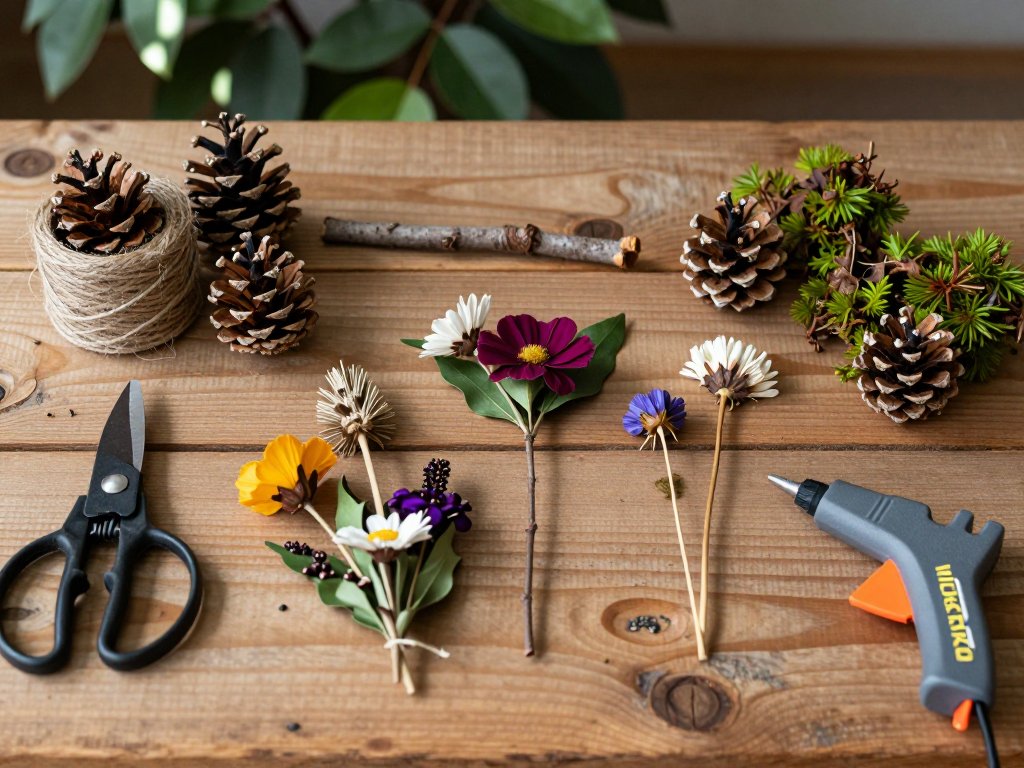
- Twigs and small branches (look for interesting shapes and textures)
- Smooth stones and pebbles (river stones are ideal)
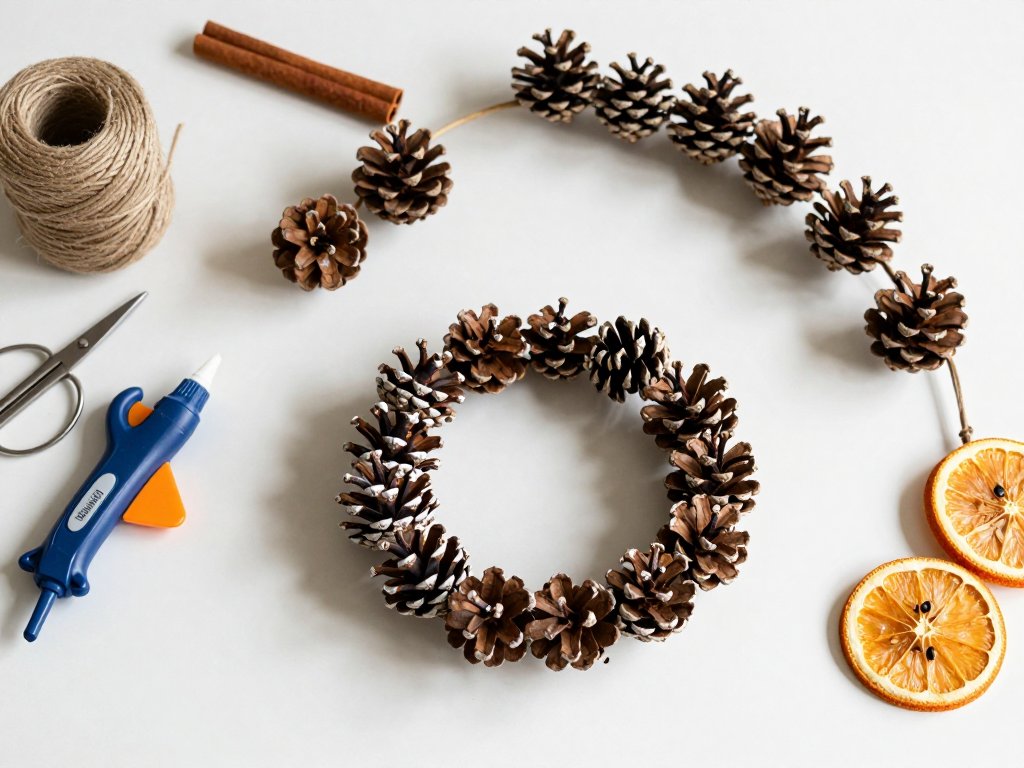
- Dried seed pods, acorns, and pinecones
- Dried leaves (press them first for best results)
- Bark strips (fallen bark, never stripped from living trees)
- Feathers (found, not taken from birds)
- Dried grasses and wheat stalks
- Sea glass or beach pottery (if you live near water)
Basic Craft Supplies
- Hot glue gun and glue sticks
- Natural twine or jute
- Air-dry clay (or foraging clay from a local source)
- Wood glue
- Clear-drying craft glue
- Scissors and garden shears
- Floral wire and wire cutters
- Acrylic paint in earthy tones (optional)
- Mod Podge or similar decoupage medium
Foraging Etiquette
A quick but important note: when gathering materials from nature, please follow the leave no trace principle. Only take what has already fallen to the ground. Never strip bark from a living tree or pull up plants by their roots. Take only a few items from any one location so the ecosystem stays balanced. And of course, avoid foraging in protected natural areas or private property without permission.
Five Wilderkind Projects to Try This Weekend
Now for the fun part. Here are five beginner-friendly projects that capture the Wilderkind spirit perfectly. Each one can be completed in an afternoon, and none of them require a trip to the craft store if you have done even a little foraging.
1. Twig-Wrapped Vases and Jars
This is the perfect entry-level Wilderkind project. Take any clean glass jar or bottle and turn it into a rustic vase that looks like it came straight from a forest cottage.
What you need: A clean glass jar, straight twigs cut to the height of the jar, natural twine, hot glue
How to do it: Arrange your twigs around the jar like a fence, trimming them so they are all roughly the same height. Apply a line of hot glue vertically down one side of the jar and press the first twig into place. Continue around the jar, gluing each twig side by side. Once covered, tie a piece of twine around the middle and finish with a simple bow. That is it. You now have a Wilderkind vase that looks stunning with a few dried flowers or fern fronds.
Variation: For a more organic look, use twigs of varying thicknesses. Leave the bark on for texture. You can also add a second band of twine near the top for a layered effect.
2. Stone Cairn Garden Sculpture
Stone cairns — those carefully balanced stacks of stones you see along hiking trails — make beautiful garden ornaments or mantelpiece decor. The practice of stacking stones is meditative in itself and perfectly captures the Wilderkind spirit of creating with what nature provides.
What you need: A collection of flat, smooth stones in graduated sizes
How to do it: Start with your largest, flattest stone as the base. Find a stone slightly smaller and place it on top, rotating it gently until you feel it settle into a stable position. Continue stacking, using smaller stones as you go up. The key is patience — each stone needs to find its own balance point. If you want a permanent sculpture, use a dab of clear-drying craft glue between each stone.
Tip: Involve the kids by having them hunt for the stones during a family walk. Each family member can contribute one stone to the stack, making it a collaborative art piece.
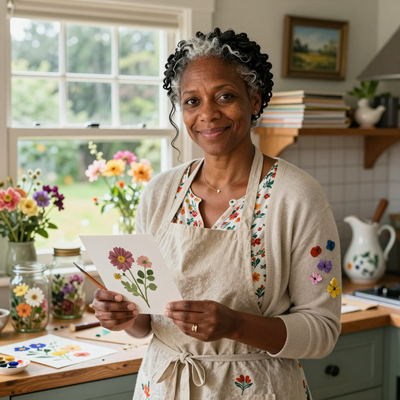
3. Pressed Flower and Leaf Art
Pressed flower art is having a major moment, and it fits the Wilderkind aesthetic beautifully. The delicate, translucent quality of pressed petals against handmade paper is almost magical.
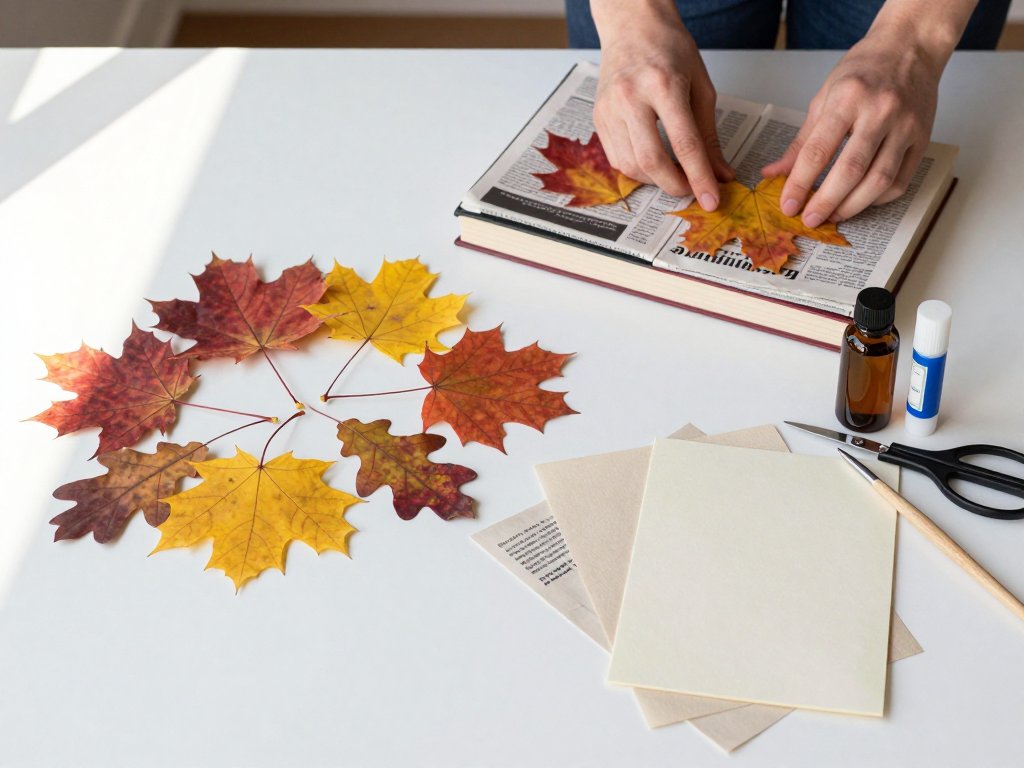
What you need: Fresh flowers and leaves, heavy books or a flower press, acid-free paper, a simple picture frame, craft glue
How to do it: Collect flowers and leaves on a dry day (moisture can cause browning). Place them between sheets of absorbent paper inside a heavy book, or use a proper flower press. Leave them for one to two weeks, checking after the first few days to replace any damp paper. Once pressed and dried, arrange them on acid-free paper inside your frame. Use a tiny dab of glue to hold each element in place. Close the frame and hang it in a spot where natural light can shine through the petals.
Wilderkind twist: Instead of a perfectly symmetrical arrangement, let your composition be loose and organic. Leave some negative space. Include a few dried grasses or fern fronds for texture. The goal is to capture the feeling of a meadow, not a florist shop.
4. Natural Clay Bowl with Botanical Impressions
Air-dry clay is one of the most satisfying Wilderkind materials because it captures texture so beautifully. A simple bowl pressed with leaves, ferns, and flowers creates a piece that looks like a fossil — a snapshot of nature preserved in clay.
What you need: Air-dry clay (about one pound per bowl), rolling pin, fresh leaves and flowers with prominent veins, a small bowl to use as a mold, plastic wrap
How to do it: Roll your clay into a flat disc about a quarter-inch thick. Lay a large leaf or fern frond on the surface and press it firmly with your fingers or a rolling pin. Peel away the leaf to reveal the impression. Line your mold bowl with plastic wrap, then gently press the clay disc into it, textured side up. Smooth the edges and trim any excess. Let it dry for 24 to 48 hours, depending on thickness. Once fully dry, you can leave it natural or seal it with a matte varnish.
Pro tip: Leaves with strong vein patterns — like fern fronds, rose leaves, or mint leaves — produce the clearest impressions. Experiment with combining multiple leaf impressions on a single bowl for a layered, collected look.
5. Driftwood and Twig Mobile
A hanging mobile made from foraged materials is a lovely way to bring the Wilderkind aesthetic into a child's room or a cozy corner of your living space. The gentle movement adds life to any room.
What you need: A sturdy branch or piece of driftwood (about 12–18 inches long), twine or fishing line, small found objects (feathers, sea glass, small pinecones, dried flowers, interesting pebbles), scissors
How to do it: Clean your branch and let it dry completely. Cut several pieces of twine or fishing line at varying lengths (8 to 24 inches). Tie one end of each piece to a small found object — wrap it around a pinecone, loop it through a hole drilled in sea glass, or tie it around a feather quill. Tie the other ends to the branch at different points. Finally, tie a longer piece of twine to each end of the branch and hang it from a ceiling hook or window frame.
Make it meaningful: Each object on the mobile can represent a family memory — a stone from a favorite hike, a feather found on a birthday walk, a dried flower from the garden you planted together. This turns your craft project into a family story.
Bringing Wilderkind Into Every Season
One of the most wonderful things about Wilderkind crafting is that it changes with the seasons. Your materials are always fresh because nature provides different treasures throughout the year.
Spring: Delicate blossoms, unfurling fern fronds, bird feathers, and the first green leaves. Wildflower pressing is at its peak.
Summer: Abundant greenery, seed pods forming on plants, smooth stones from beach trips, and dried grasses at their most golden.
Autumn: This is the Wilderkind golden age. Acorns, pinecones, brilliantly colored leaves, dried corn husks, and interesting bark pieces are everywhere.
Winter: Bare branches reveal their beautiful structure. Pine needles, evergreen sprigs, dried berries, and frost-kissed seed heads offer subtle texture and color.
By aligning your crafting with the seasons, you never run out of inspiration, and each project carries the energy of the time it was made.
Wilderkind for the Whole Family
The beauty of this trend is how naturally it lends itself to crafting with children. Kids are already wired to collect interesting natural objects — they have been doing it since they could walk. Wilderkind projects simply give them a way to turn those collections into something beautiful.
Try setting up a "nature table" in your home where everyone can contribute found items throughout the week. By the weekend, you will have a full palette of materials ready for a family crafting session. The unstructured, forgiving nature of Wilderkind means you will spend less time managing perfectionist meltdowns and more time actually creating together.
My own children have made some of the most wonderfully imperfect twig wreaths and stone stacks, and every single one is displayed with pride. There is something about seeing their wild, imaginative creations that reminds me why I love crafting in the first place.
Conclusion
Wilderkind is more than a craft trend. It is an invitation to slow down, step outside, and remember that the most beautiful things are often the ones with a few rough edges. In a world that pushes us toward perfection at every turn, there is something deeply freeing about making peace with imperfection.
So the next time you are on a walk with your kids, stuff your pockets with acorns and interesting leaves. Pick up that oddly shaped stone. Bring home a fallen branch with beautiful lichen. And then give yourself permission to create something that is not polished or perfect — something that is simply, wonderfully, authentically you.
The wild child inside you has been waiting for this invitation.