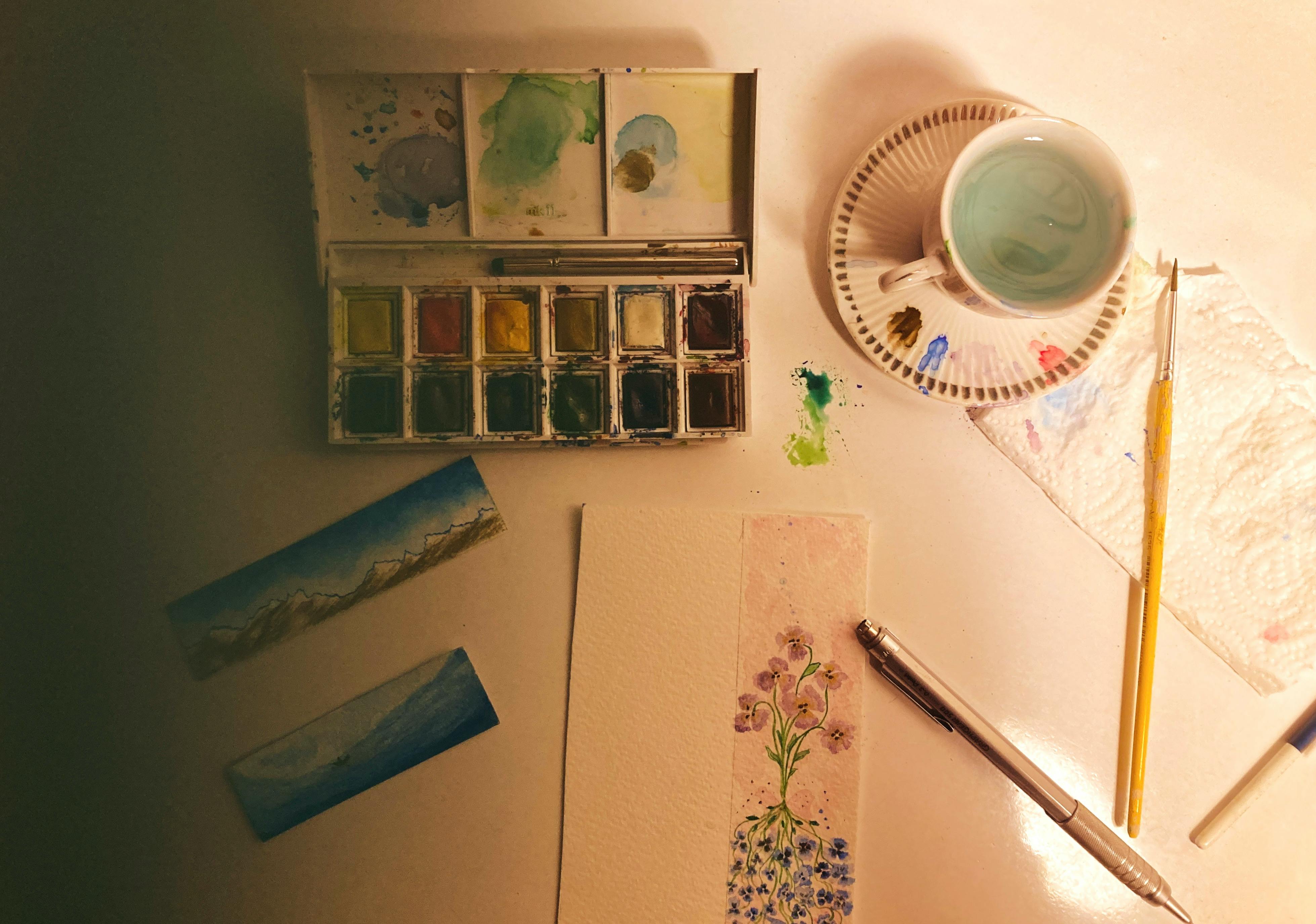
Watercolor painting may seem intimidating, but it’s one of the most accessible ways to bring creativity into a hectic day. With just a few simple tools, you can create soothing images that calm the mind and brighten your space. The beauty of watercolor lies in its flexibility—mistakes blend into new possibilities, and each brushstroke is a gentle invitation to explore.
First, gather a modest set of supplies. You’ll need a small set of watercolor paints, a couple of brushes (a round size 6 and a flat size 8 work well), a pad of watercolor paper (140 lb is ideal), a palette, and a jar of clean water. There’s no need for expensive brands; many affordable options perform beautifully for beginners.
Paper is more important than you might think. Its weight and texture affect how paint spreads and dries. Look for paper labeled “cold‑pressed” with a smooth surface; it holds water without warping. A single pad of 9 × 12 inch sheets will let you experiment without committing to a large purchase.
When it comes to paints, you can choose between pan sets and tube paints. Pan sets are compact and great for travel, while tubes offer more vibrant pigment. Start with a basic palette of primary colors—ultramarine blue, cadmium yellow, and alizarin crimson—plus a warm brown and a cool green. Mixing these will give you a wide range of hues.
Brushes are your partners in creating texture and detail. A round brush offers a fine point for details and a broader tip for washes. A flat brush is perfect for broader strokes and filling larger areas. Keep them clean, and let them air‑dry flat to maintain their shape.
Water control is the heart of watercolor. Too much water can cause colors to bleed uncontrollably, while too little can make pigment appear chalky. Practice by loading your brush with water, then adding a drop of paint. Watch how the color blooms and adjust accordingly. Remember, the medium loves a light touch.
One of the simplest techniques is the flat wash, where you apply a uniform layer of color across the paper. To do this, wet the area lightly, then glide your brush loaded with diluted paint across. For a graded wash, start with a more saturated mix at the top and gradually add water as you move down, creating a gentle transition.
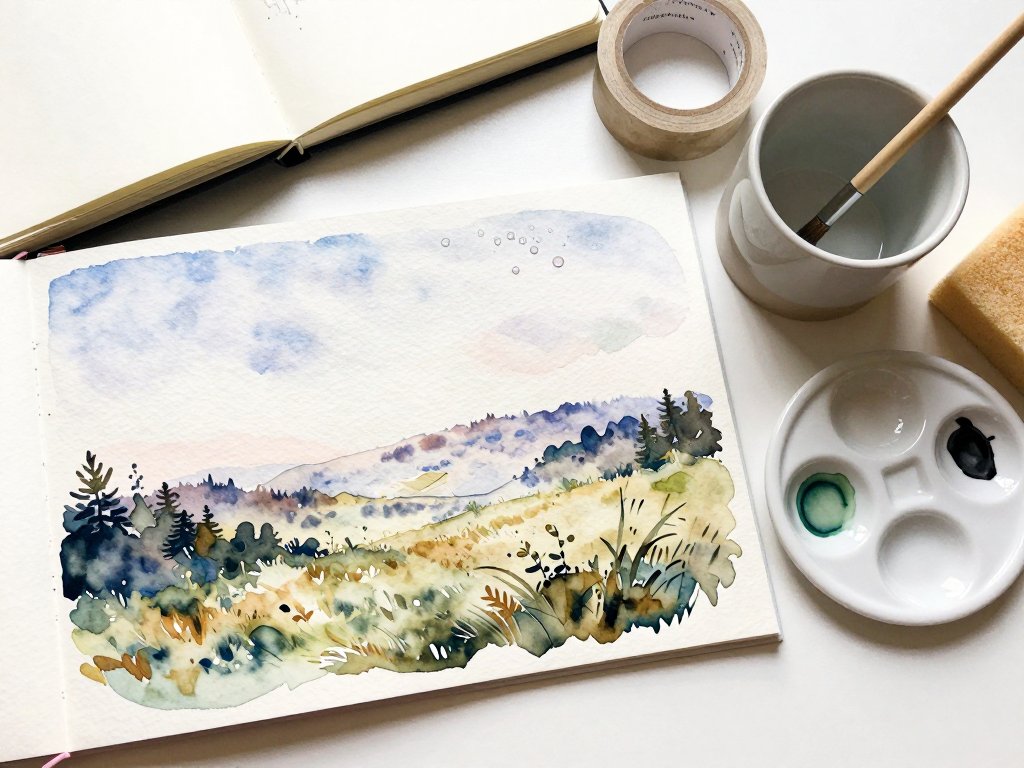
Wet‑on‑wet is a magical effect: apply a wet wash, then drop in color while the paper is still damp. The pigment will flow and merge, producing soft, organic shapes—ideal for skies, clouds, or foliage. Experiment with timing; a few seconds can change the outcome dramatically.
Begin with simple subjects like a single leaf or a sunrise. Paint a light wash for the background, then add darker tones to define edges. Focus on capturing the essence rather than perfect realism. Each small success builds confidence and teaches you how colors interact.
Layering is where watercolor truly shines. Once a wash dries, you can add another layer to deepen shadows or introduce new colors. This technique, called glazing, adds depth without overwhelming the paper. Be patient; let each layer dry before applying the next to avoid unwanted muddying.
Avoid common pitfalls such as overworking a wet area or using too much pigment at once. If a mistake appears, embrace it—lift the color with a clean, damp brush or a paper towel, and turn it into a new element. Watercolor rewards flexibility and a willingness to adapt.
Set a modest goal: a five‑minute daily sketch. Even a brief session can reinforce techniques and keep the habit alive. Keep a small notebook of color mixes and brush strokes; over time, you’ll develop a personal reference that speeds up future projects.
Finally, remember that watercolor is about the experience as much as the outcome. Let the process soothe you, and allow each painting to be a gentle pause in your day. With practice, you’ll find your own rhythm, and the canvas will become a trusted companion for creative expression.