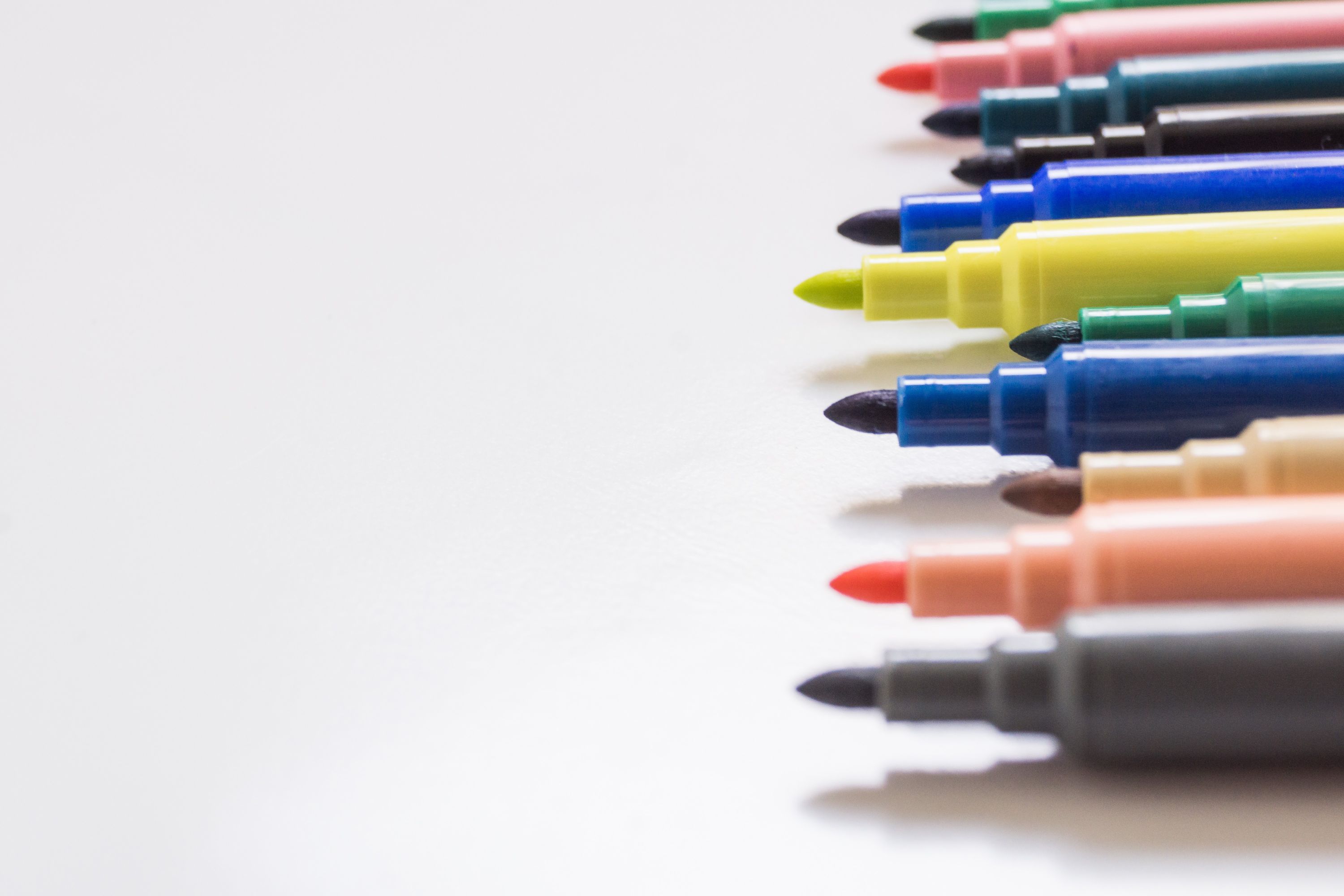
Alcohol Markers vs. Acrylic Markers: Which One Is Taking Over in 2026?
Alcohol markers or acrylic markers—what’s the difference, and which should you use in 2026? We compare performance, surfaces, blending, and value to help you choose the right tool for your art.
If you’ve spent any time on art-focused TikTok, Instagram, or YouTube lately, you’ve probably noticed a shift. The once-dominant alcohol marker is facing serious competition from a fast-rising favorite: acrylic markers.
So which one actually deserves a place in your art kit in 2026?
The answer isn’t as simple as “one is better.” These tools serve different purposes—and understanding their strengths (and limitations) can dramatically improve your results.
Let’s break it down.
What Are Alcohol Markers?
Alcohol markers use dye-based ink suspended in alcohol, which evaporates quickly as you draw. This allows for smooth application and seamless blending—two reasons they’ve long been the go-to for illustrators, designers, and comic artists.
Key Strengths:
- Smooth, streak-free blending
- Layering without tearing paper
- Vibrant, saturated colors
- Fast drying time
Limitations:
- Bleeds through most paper
- Limited surface compatibility (mainly paper)
- Colors can fade over time with light exposure
- Less forgiving—mistakes are hard to fix
Alcohol markers still dominate in areas like character illustration, concept art, and professional rendering.
What Are Acrylic Markers?
Acrylic markers are paint-based. Instead of dye, they use pigmented acrylic paint that flows through a marker tip. Once applied, the paint dries into a solid, opaque layer.
In the past few years, the technology behind these markers has improved dramatically—better flow control, richer pigments, and more durable tips.
Key Strengths:
- Opaque coverage (works over dark colors)
- Works on multiple surfaces (wood, glass, canvas, metal, plastic)
- Layerable like paint
- More forgiving—mistakes can be painted over
Limitations:
- Limited blending compared to alcohol markers
- Can streak if not applied carefully
- Tips may clog if not maintained
- Drying time is longer than alcohol ink
Acrylic markers are exploding in popularity because they’re incredibly versatile—and beginner-friendly.
The Biggest Differences That Matter
1. Blending vs. Coverage
If your goal is smooth gradients and subtle shading, alcohol markers still win.
Verdict:
Choose alcohol markers for blending
Choose acrylic markers for opacity and layering
2. Surface Versatility
This is where acrylic markers pull far ahead.
- Canvas
- Rocks
- Wood
- Glass
- Fabric (with sealing)
Verdict: Acrylic markers dominate here.
3. Ease of Use
Acrylic markers are more forgiving:
- You can paint over mistakes
- You don’t need special paper
- Results are more predictable for beginners
Verdict: Acrylic markers are more beginner-friendly.
4. Durability and Longevity
Acrylic paint is inherently more durable than alcohol ink.
Verdict: Acrylic markers last longer.
5. Style and Aesthetic
- Alcohol markers: smooth, polished, professional illustration look
- Acrylic markers: bold, textured, modern DIY and street-art vibe
Why Acrylic Markers Are Trending in 2026
- Social media favors bold, high-contrast visuals
- DIY culture is booming (custom sneakers, mugs, tote bags)
- Artists want multi-surface tools
- Beginner accessibility is higher than ever
In short, acrylic markers fit how people create and share art today.
Are Alcohol Markers Still Relevant?
- Professional illustration
- Manga and comic art
- Product and fashion design
They’re not being replaced—they’re just no longer the only “must-have” marker.
So, Which One Should You Choose?
Choose Alcohol Markers if you:
- Love blending and gradients
- Focus on illustration or character art
- Want a polished, digital-like finish
Choose Acrylic Markers if you:
- Work on multiple surfaces
- Prefer bold, opaque designs
- Want an easier, more forgiving tool
- Enjoy DIY and craft-based projects
The Bottom Line
- Alcohol markers = precision and blending
- Acrylic markers = versatility and impact
If anything, the real trend is this: artists are no longer choosing just one. They’re combining both to get the best of each.